Plan to Win on Your Terms in 2027
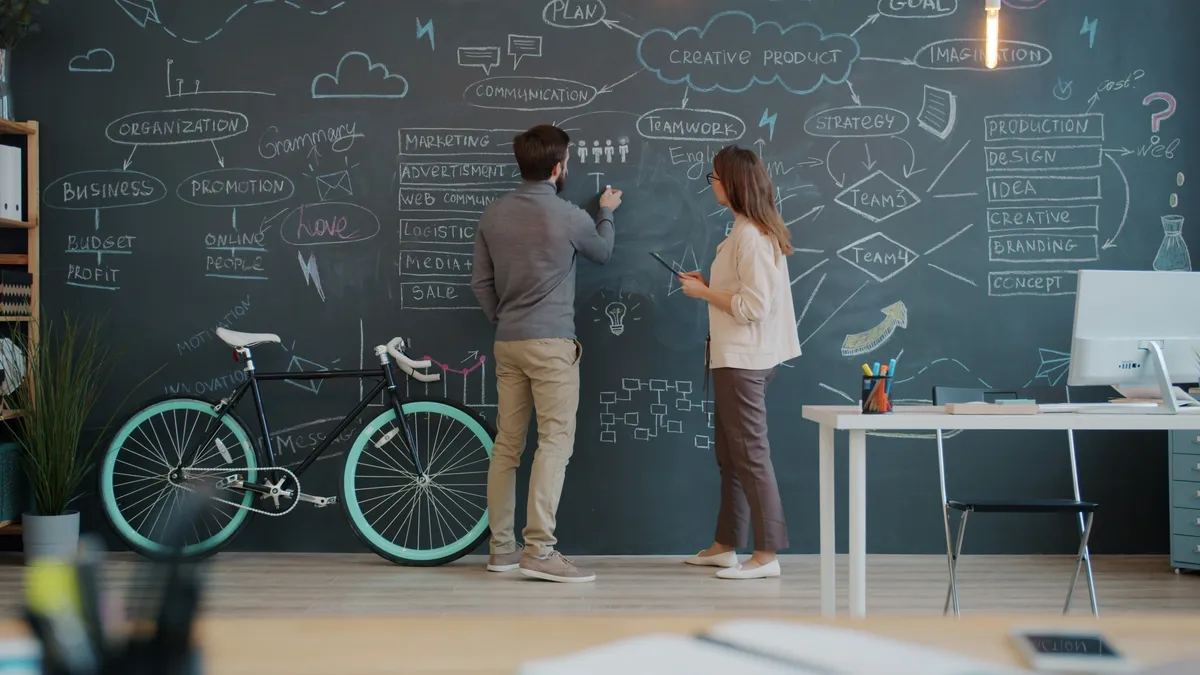
Photo by Vitaly Gariev on Unsplash
November has a way of sneaking up on founders. The year isn’t over yet, but you can feel the weight of it, and somewhere between closing out projects and wondering where the time went, a question starts to nag at you: did I win this year?
It’s a fair question, and a tricky one. Most of us hold a definition of winning we picked up in childhood, where winning meant beating someone. When that’s the only scoreboard, it’s easy to finish a year that was actually pretty good and still feel like you lost.
So before you start planning 2027, I’d like to offer a different question.
“What would winning look like if nobody had to lose?”
Winning with people, not against them
Some of the best wins I’ve seen in business didn’t come from outmanoeuvring a competitor. They came from sitting down with a client, a partner or the team and finding a solution that worked better for everyone. That kind of win builds trust, and whether you call it karma or just good business, trust tends to come back around as repeat work, referrals and team members who stay.
One of my clients found themselves in a competitive bid against a firm whose services partly overlapped with theirs. Rather than trying to undercut each other, they joined forces and presented a combined solution that was stronger than what either could have offered on its own. They won the bid.
Technical founders are often better at these kinds of wins than they give themselves credit for. You’ve spent years solving problems creatively and finding the clever workaround when the obvious path was blocked. That same instinct works on people problems too, once you give yourself permission to use it.
Where in your business could a little creativity turn a standoff into a win for both sides? It might be a pricing conversation, a partnership that’s gone stale, or a disagreement on your team that everyone has been politely avoiding.
Show your brain proof
Believing you’re capable of winning is much easier when you have evidence, and most founders are surprisingly bad at collecting it. We remember the deal that fell through in March in vivid detail, while the problem we solved last Tuesday is already forgotten.
Celebrating wins, including the small ones, is how you build that evidence. It might be a client who renewed, a new hire who’s catching on quickly and fitting in, or a hard conversation you finally had. When you acknowledge these moments, you give yourself proof that you’re someone who makes progress, and that belief shows up in how you lead. (I wrote about a simple gratitude practice a while back that works well for this, if you’d like a place to start.)
Your team needs that proof too. Workhuman and Gallup tracked more than 3,400 employees from 2022 to 2024 and found that those who received high quality recognition in 2022 were 45% less likely to have left their job by 2024. That makes celebration part of how you keep the people who help you win, rather than something to squeeze in at the holiday party. gallup
Who on your team hasn’t heard from you lately about what they’re doing well?
A game plan that leaves room for you
November is the time to think about 2027 before the January rush. Planning now matters for founders, because you’re often the engine and the bottleneck at the same time. Think about not only revenue and expenses, but how to factor in your own energy and your team’s.
A strong plan for next year usually starts with an honest look at this one. I shared these questions on LinkedIn recently, and they’re worth sitting with this month:
Which win from 2026 are you most proud of, and what made it possible?
What kept you busy this year without moving your business forward?
When was your team at its best, and what helped them get there?
Which win came at a cost you don’t want to repeat?
What worked so well in 2026 that it deserves more room in 2027?
You don’t need perfect answers in November. Your answers will show you what to protect, what to let go of and where to put your energy, which gives you a direction to walk into January with and a way to notice whether you’re getting closer.
Remember: Winning doesn’t have to mean someone else loses, and it doesn’t have to mean burning yourself out to get there. It can look like a team that trusts you, clients who come back, and a year you’re proud of because you planned for it on your own terms.
So I’m curious, which of these questions stopped you for a moment? I’d love it if you shared your answer in the comments. There’s a good chance it will help someone else see their own year a little more clearly.


Mail
Facebook
LinkedIn
X
Pinterest
Reddit